Aviation Switching Module – NSN 4920-01-250-2696 (AS-IS / Untested): Specialized Aircraft Test and Control Hardware
Aviation Switching Module – NSN 4920-01-250-2696 (AS-IS / Untested): Specialized Aircraft Test and Control Hardware
Blog Article
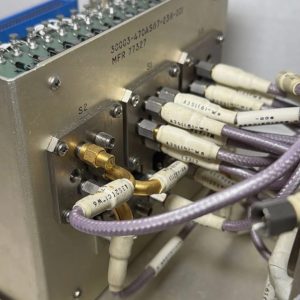
The Aviation Switching Module – NSN 4920-01-250-2696 (AS-IS / Untested) combines recognizable aviation hardware, an identifiable National Stock Number, potential electrical-control functionality, and commercial value for informed specialist buyers.
An Aircraft Switching Module may control, route, select, isolate, or distribute compatible electrical signals or circuits, while an Aerospace Switching Module should be evaluated according to its exact internal design and intended equipment relationship.
An Aircraft Electrical Switching Module, Aviation Electrical Control Module, Aircraft Power Switching Module, Aerospace Electrical Control Unit, and Aircraft Signal Switching Module may describe related switching or control functions, but the exact purpose of this NSN should be verified before use.
Accurate use of Aviation Control Module, Aircraft Electronic Switching System, Aerospace Switching Unit, and Aircraft Electrical Module terminology improves SEO without creating unsupported functional claims.
Understanding NSN 4920-01-250-2696
The National Stock Number provides an important catalog reference that can help buyers research the item’s supply history, technical identity, related part numbers, and possible equipment application.
An identification plate should not be removed, repainted, altered, or covered because it may provide the strongest evidence of the component’s origin.
Understanding AS-IS and Untested Condition
Transparent AS-IS terms help specialists evaluate price and risk realistically.
An untested component should not be connected directly to aircraft wiring, expensive test equipment, batteries, laboratory supplies, or unknown power sources.
Aircraft Switching Module Applications
Application accuracy protects buyers from assuming that a broadly named Aircraft website Switching Module will fit their project.
External controls may include switches, selectors, indicators, circuit positions, covers, labels, or connection ports depending on the exact configuration.
Inspecting Aerospace Electrical Hardware
Careful exterior evaluation can reveal evidence of previous use or damage before the unit is opened.
Proper connector protection preserves the Aerospace Switching Module for future testing or restoration.
Electrical Switching Module Condition
Discoloration near connectors or switches may indicate electrical heat, chemical exposure, or ordinary aging and should be investigated.
Methodical inspection protects the integrity and research value of the Aircraft Electrical Switching Module.
Choosing an Aviation Electrical Control Module
Professional research should occur before any attempt to connect the Aviation Electrical Control Module.
Aggressive solvents, scraping, repainting, or polishing may remove original information.
Aircraft Power Switching Module Considerations
Current capacity, voltage, duty cycle, contact type, protection requirements, and load characteristics should be confirmed before testing.
Any successful limited test should be documented precisely without changing the overall status beyond what was actually verified.
Choosing an Aerospace Electrical Control Unit
Troubleshooting requires a logical sequence based on technical information rather than random power application.
Every repair should be photographed and recorded if the module is restored.
Signal Switching Module Inspection
Signal circuits can be sensitive to grounding, shielding, contact resistance, connector condition, and electromagnetic interference.
Missing or corroded bonding components may affect noise, interference, or reliability.
Professional Aviation Module Evaluation
Buyers should determine whether they need a direct replacement, restoration item, training aid, or parts source.
Inspection tags, modification plates, repair labels, and revision marks can provide important information.
Restoring Aviation Switching Hardware
Detailed condition reporting supports fair commercial evaluation.
Responsible educational use can extend the value of the Aircraft Switching Unit.
Choosing an Aerospace Power Distribution Module
Professional evaluation helps determine whether the unit serves a power-distribution role or another specialized function.
Additional mounting holes should not be drilled until the component application is established.
Aircraft Module Functional Evaluation
Documented condition improves confidence among buyers of legacy Aircraft Electrical Control Unit equipment.
Unknown circuits should not receive voltage simply because a connector pin appears to be a power input.
Aviation Power Control Module Uses
Broad market keywords can support discovery while the technical description remains precise.
Technicians should inspect for capacitors, transformers, relays, damaged insulation, or hazardous residues before opening or testing the unit.
Aviation Switching System Troubleshooting
An Aircraft Electronic Switching System may consist of multiple modules, harnesses, control panels, relays, indicators, power sources, and associated equipment.
The module should not be blamed until related wiring and equipment are considered where the original system is available.
Aerospace Switching Unit Storage and Handling
Desiccant or moisture-control materials should not contact electrical components directly unless appropriate.
Shipping should use cushioning that supports the enclosure while protecting protruding switches, connectors, controls, labels, and mounting points.
Commercial Inspection of an Electrical Module
The potential cost of connectors, manuals, test equipment, repairs, components, and specialist labor should be included in the buying decision.
Images should show labels, switches, connectors, enclosure surfaces, mounting points, fasteners, seals, internal areas if opened professionally, and included accessories.
NSN 4920-01-250-2696 Buying Checklist
A pre-purchase review should confirm the NSN, manufacturer, part number, serial number, markings, enclosure condition, connectors, switches, included accessories, storage history, modification status, and known application.
- Confirm that the identification plate shows NSN 4920-01-250-2696 and record every manufacturer number, serial number, contract marking, revision, and modification label.
- Inspect the enclosure for dents, cracks, corrosion, missing screws, altered holes, broken seals, damaged brackets, and signs of previous opening.
- Report shipping damage, missing accessories, identification differences, undisclosed repairs, or altered condition promptly.
Aerospace Module Troubleshooting Process
A methodical process reduces the risk of damaging rare aviation equipment.
The test should stop immediately if overheating, smoke, arcing, excessive current, unstable operation, or unusual odor occurs.
Aerospace Module Component Replacement
Original labels, wiring routes, fasteners, finishes, and component locations should be preserved whenever practical.
Photographs can document internal condition before and after work.
Choosing the Aviation Switching Module – NSN 4920-01-250-2696 (AS-IS / Untested)
For the right purchaser, the unit can offer a useful foundation for technical research, controlled troubleshooting, component recovery, or legacy-equipment restoration.
The component should be judged according to complete project suitability rather than clean appearance, military-surplus interest, part-number rarity, or price alone.
Whether the requirement is an Aircraft Switching Module, Aerospace Switching Module, Aircraft Electrical Switching Module, or Aviation Electrical Control Module, exact identification should guide the purchase.
With responsible purchasing, NSN research, connector protection, current-limited evaluation, and documented restoration, the component can remain a useful aviation asset.
Report this page